
Meatloaf
A Classic Born from Necessity, Loved for a Lifetime
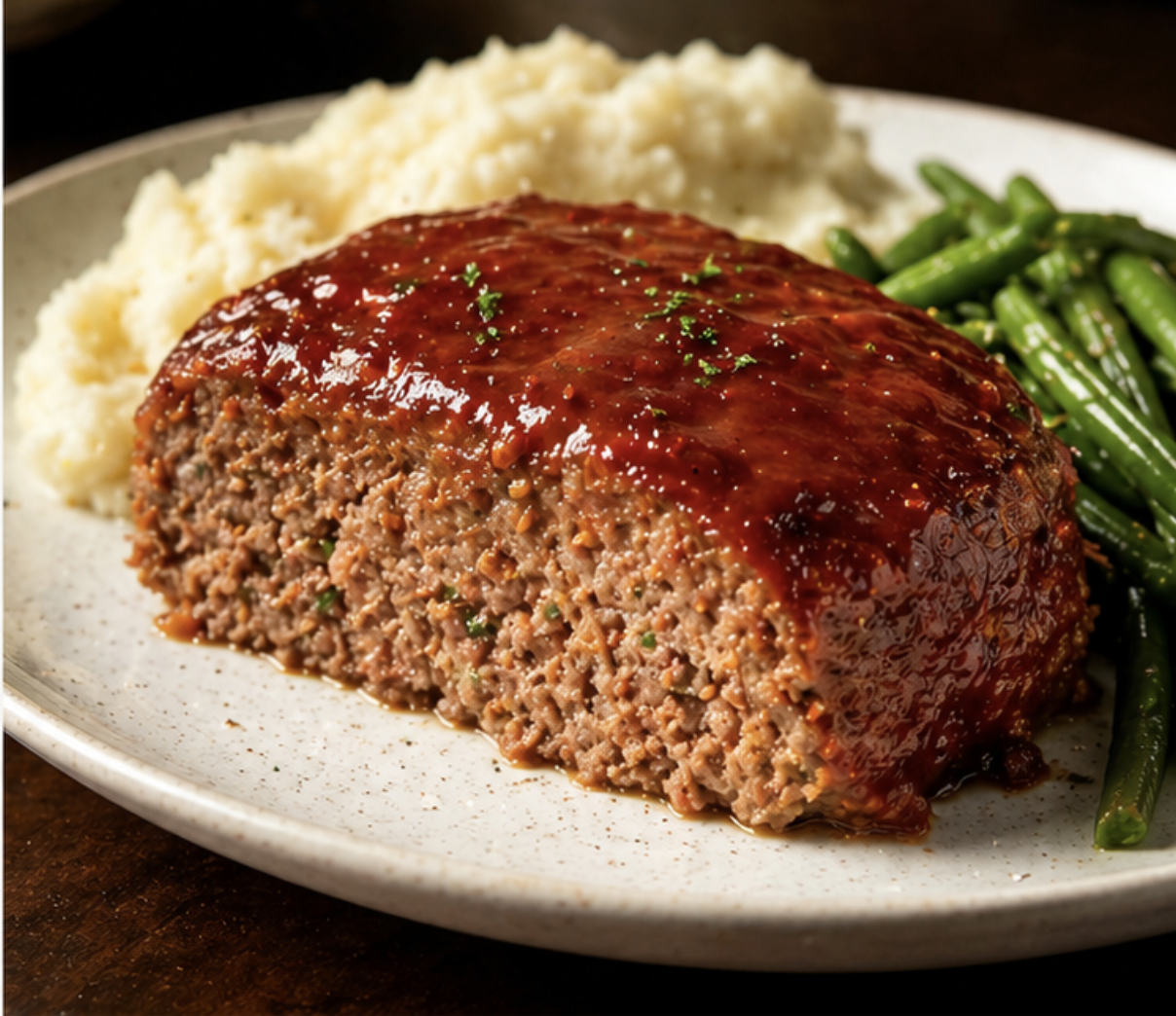
A History of Comfort
Meatloaf is one of the most enduring dishes in American home cooking. Its roots stretch back to the late 19th century, when resourceful cooks found ways to stretch ground meat with pantry staples like bread, milk, onions, and eggs. During the Great Depression, it became a practical way to feed families affordably, transforming modest ingredients into something satisfying and nourishing.
After World War II, meatloaf found its place at the center of the American dinner table. It became more than a recipe—it became a symbol of home, stability, and comfort.
Today, meatloaf remains the definition of comfort food—warm, nostalgic, and deeply satisfying. Done right, it’s moist, tender, flavorful, and anything but ordinary.
The Method Behind the Classic
At its core, meatloaf is a study in structure and moisture control. The ingredients are simple, but the outcome is entirely dependent on technique—how aromatics are prepared, how the binder is built, and how the meat is handled. Understanding these steps is what separates a loose or dense result from a meatloaf that is cohesive, tender, and balanced.
Aromatics
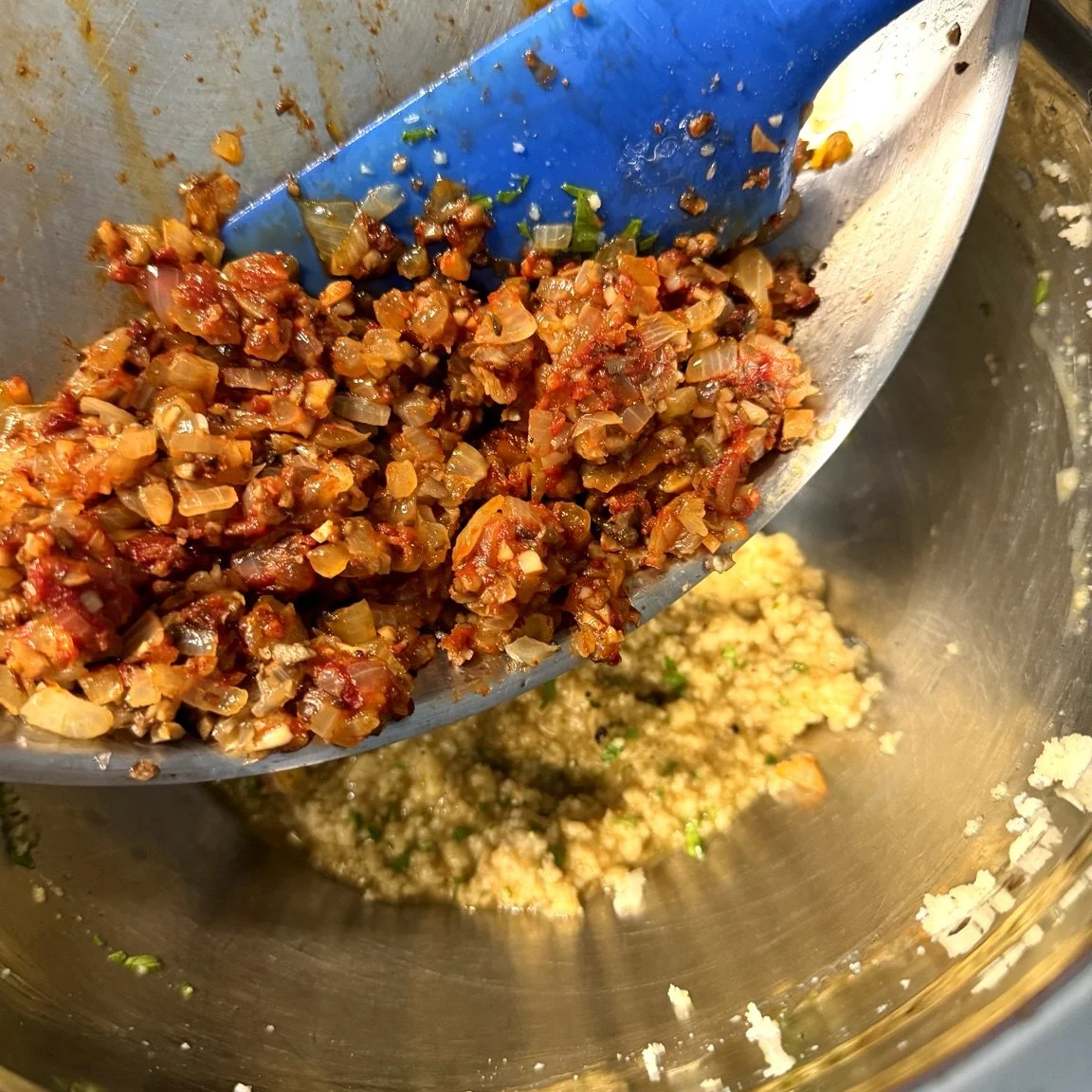
Cook onions, mushrooms, and garlic gently to remove raw flavors and control moisture. Tomato paste adds depth and richness. Let the mixture cool before using.
Gently sweating the aromatics is one of the most important upgrades you can make to a traditional meatloaf. Raw onions release water as they cook, which can lead to a loose, inconsistent texture. By cooking them first, you soften their structure, concentrate their flavor, and drive off excess moisture before it ever enters the mix.
Mushrooms play a similar role. Finely chopped and cooked down, they add subtle umami and depth without being identifiable in the final dish. Tomato paste, when briefly sautéed, deepens in flavor and reinforces the savory backbone of the meat.
Allowing this mixture to cool fully before mixing is critical. Adding it warm can affect how the fats and proteins bind, leading to uneven texture.
Panade
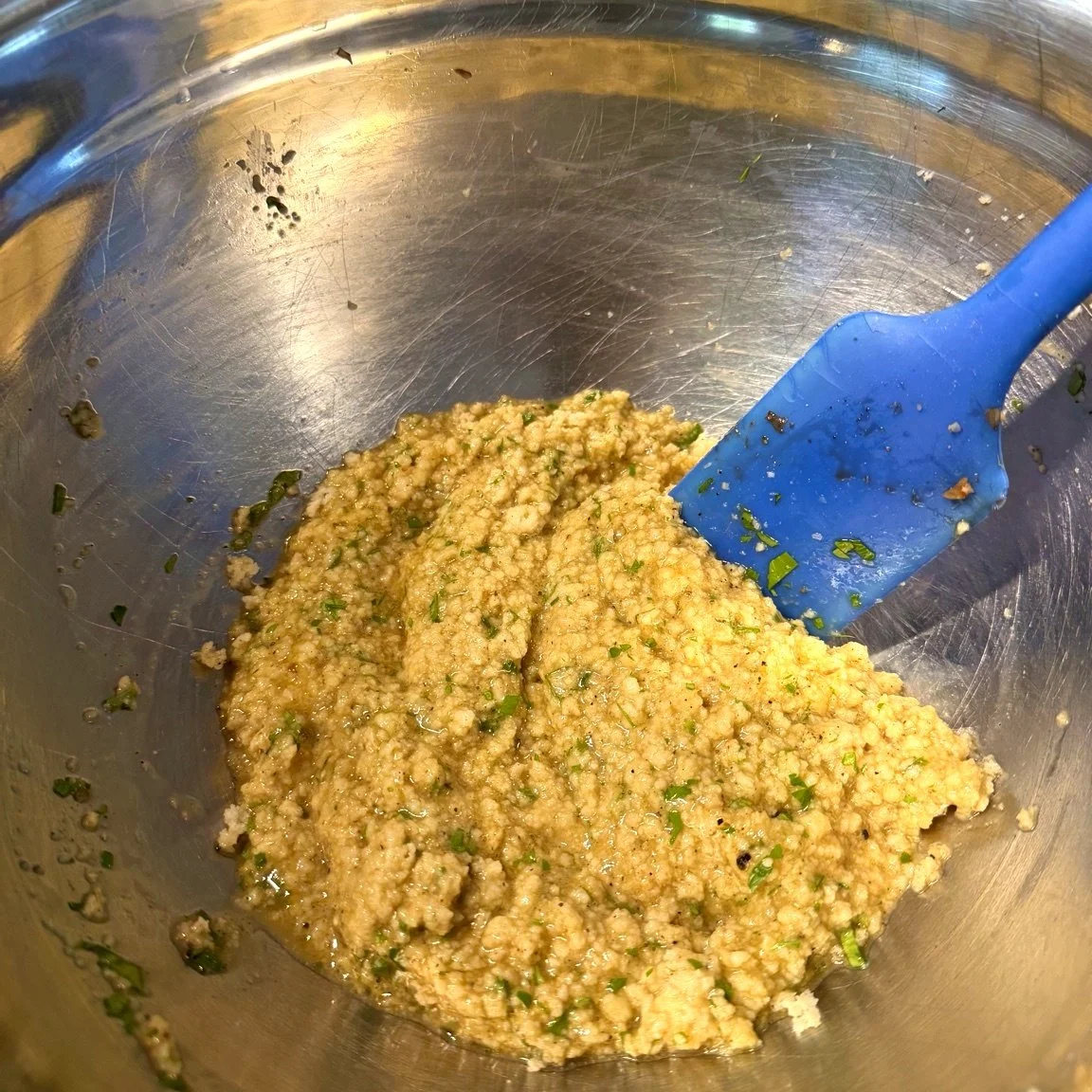
Combine breadcrumbs and milk and allow it to fully hydrate. This step is key to a tender, moist texture.
A panade is the foundation of a well-textured meatloaf. The breadcrumbs absorb liquid and swell, creating a soft, hydrated matrix that holds moisture throughout cooking. This prevents the proteins in the meat from tightening too aggressively, which is what leads to a dense or dry result.
The goal is full hydration—no dry crumbs, no excess liquid. When properly formed, the panade should resemble a soft paste. This step is what gives meatloaf its characteristic tenderness and is often the difference between a soft, cohesive slice and something crumbly or tough.
Build the Base
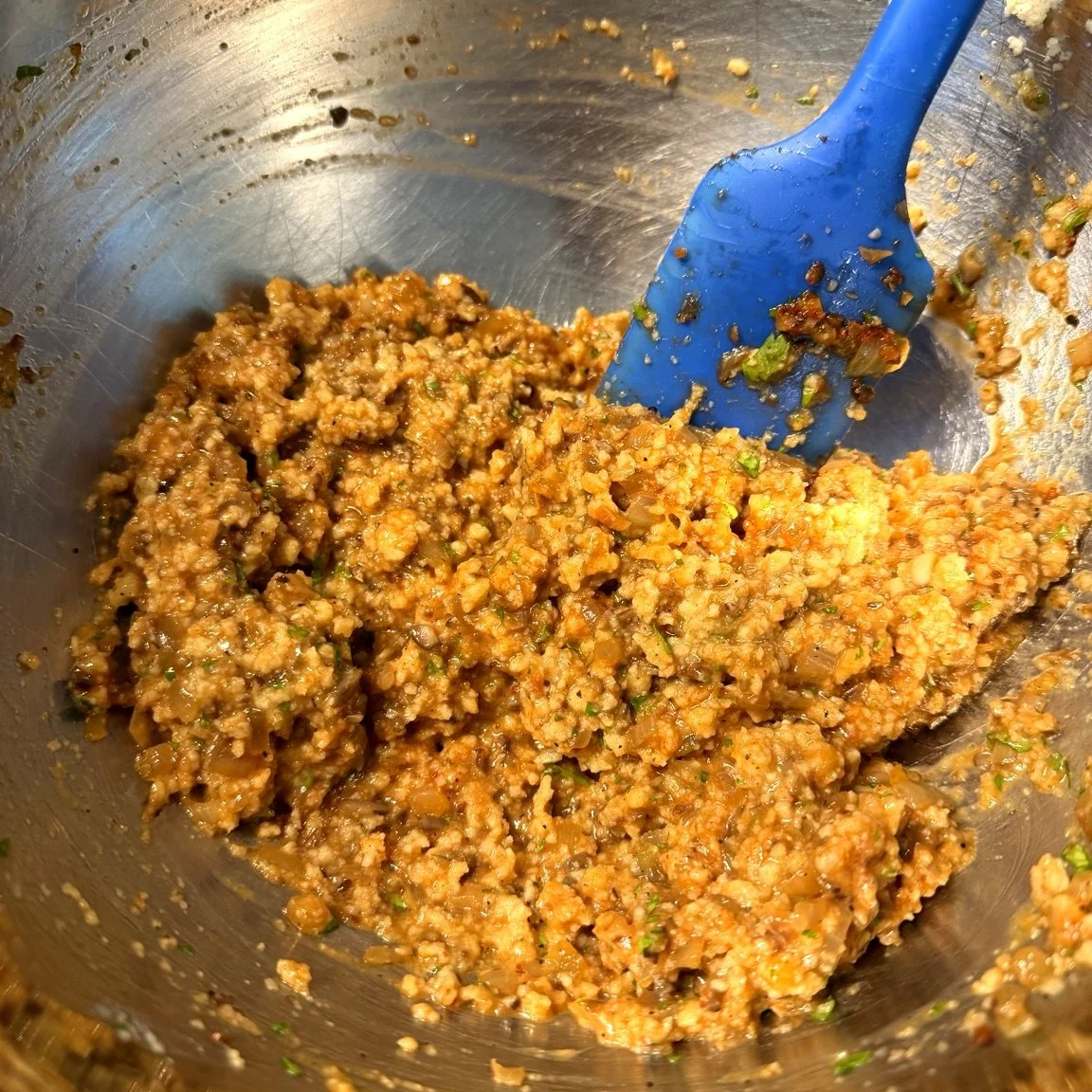
Mix the panade with eggs, Worcestershire, seasoning, and fresh parsley. Fold in the cooled aromatics to create a cohesive base.
Before the meat is added, the binder and flavor components should be fully combined into a uniform base. This ensures even distribution without the need for aggressive mixing later.
Eggs provide structure, helping the loaf hold together once cooked. Worcestershire adds acidity and umami, balancing the richness of the meat. Parsley brings a subtle freshness that keeps the flavor from feeling heavy.
By incorporating the aromatics at this stage, you create a cohesive mixture that will integrate seamlessly with the meat, reducing the risk of overworking the final mixture.
Add the Meat
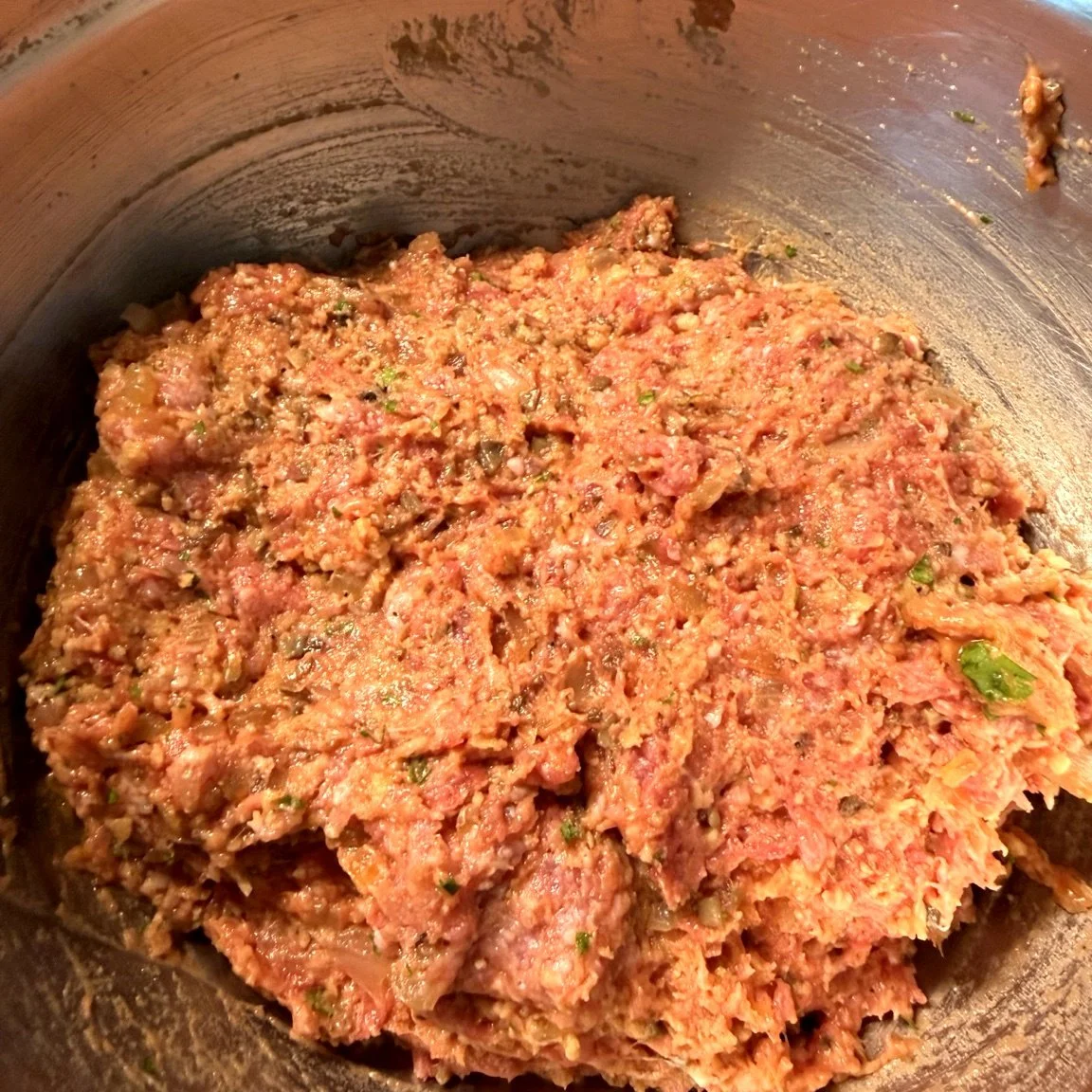
Add ground beef and pork and mix gently—just until combined. Overmixing leads to a dense, tight texture.
This is where restraint matters most. The goal is simply to distribute the meat evenly through the base—not to develop structure through mixing.
As you mix, the proteins in the meat begin to link together. Too much mixing creates a tight, almost sausage-like texture. By folding gently and stopping as soon as the mixture comes together, you preserve a softer, more tender bite.
A slightly loose mixture at this stage is not a flaw—it’s exactly what you want.
Shape
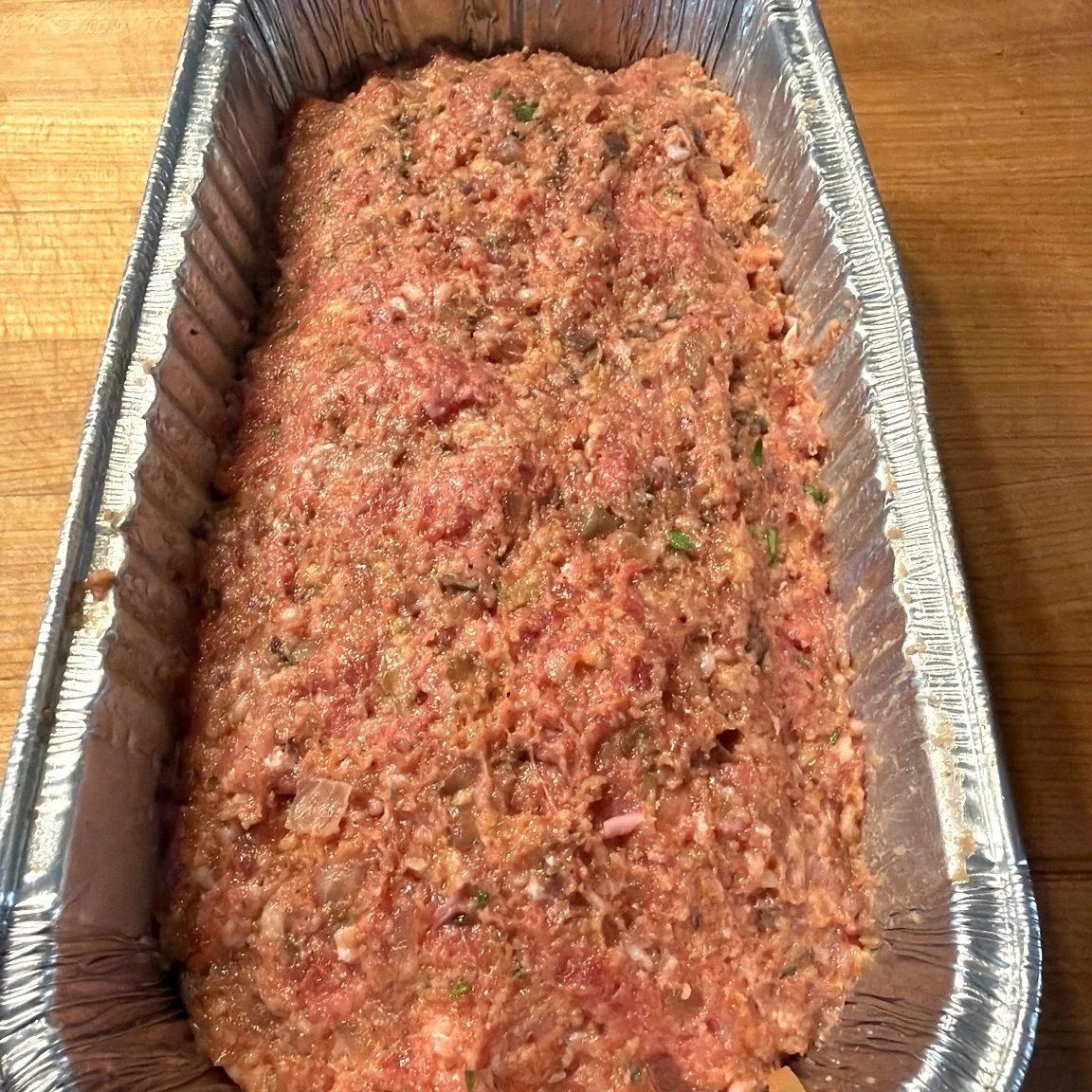
Form into a loaf in a lightly greased pan. A gentle hand here ensures a soft final texture.
Shaping should be deliberate but light. Pressing the mixture too firmly compacts it, leading to a dense final product. Instead, guide it into shape, allowing it to retain a slightly relaxed structure.
A subtle dome on top helps the loaf cook evenly and maintain its form. Using a foil pan makes it easy to handle and promotes even cooking, but it also makes draining fat during the process more important.
Glaze Twice
Bake, drain fat, and apply a thin glaze. Finish with a second, slightly heavier glaze for shine, flavor, and that classic meatloaf finish.
Applying the glaze in two stages builds both flavor and texture. The first layer cooks into the surface of the meatloaf, becoming part of the structure and adding depth. Draining fat before glazing ensures that the glaze adheres properly rather than sliding off.
The second layer is applied later in cooking and serves a different purpose. It creates a glossy, slightly sticky finish and reinforces that familiar sweet-savory balance associated with classic meatloaf.
Together, these layers create a finish that is both visually appealing and well integrated into the dish.